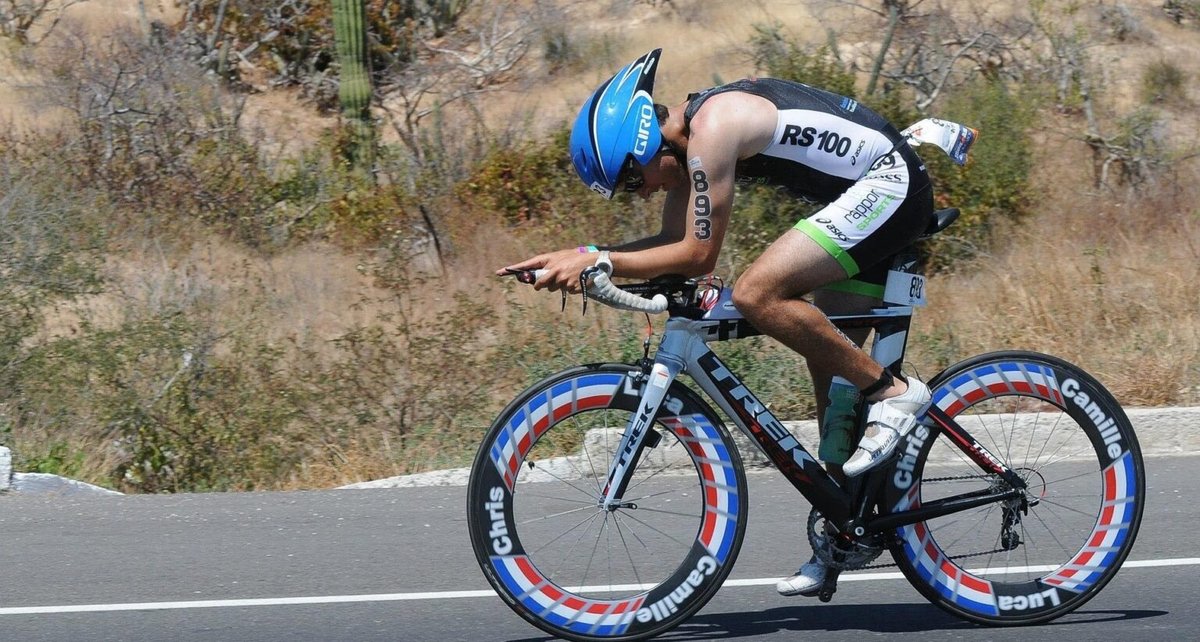
When you hear "Ironman," a specific image probably flashes through your mind: an athlete pushing the absolute limits of human endurance. And you're right. Becoming an Iron Man: Training for the Triathlon isn't just about finishing a race; it's about transforming yourself through a journey of epic proportions. This isn't a casual endeavor; it's a commitment to conquering 140.6 miles of swimming, biking, and running, demanding months of relentless, strategic preparation.
This guide is your roadmap. We’ll cut through the noise, offering clear, actionable advice from the perspective of someone who’s been there, understands the grit required, and wants to equip you for success. Forget vague promises; we're talking tangible strategies, essential gear, and a mindset shift that will carry you to that iconic finish line.
At a Glance: Your Ironman Journey Blueprint
- The Challenge: 2.4-mile swim, 112-mile bike, 26.2-mile run—all in one day, under a strict time limit.
- Preparation Time: Most need 6-12 months of dedicated training; beginners often benefit from more.
- Goal Setting: Crucial to define SMART goals (Specific, Measurable, Attainable, Relevant, Time-bound).
- Essential Gear: Wetsuit, triathlon bike, running shoes, heart rate monitor, tri-suit are non-negotiable.
- Training Phases: Follow a periodized plan: Base, Build, Peak, Taper.
- Fueling Up: Prioritize carbohydrates, lean protein, healthy fats, and consistent hydration.
- Race Day: Practice transitions, know the course, and cultivate unwavering mental toughness.
- Recovery: As vital as training; incorporate rest days, stretching, and proper nutrition.
The Everest of Endurance: What Exactly is an Ironman?
Before you dive headfirst into training, it’s vital to understand the beast you’re preparing to tackle. An Ironman triathlon isn't merely a long race; it’s a legendary feat of endurance, pushing athletes across three distinct disciplines. We're talking about a 2.4-mile swim, followed by a monumental 112-mile bike ride, and capped off with a full 26.2-mile marathon run. All of this must be completed in succession, typically within a 17-hour cut-off.
The physical demands are immense, but perhaps even greater are the mental challenges. You'll battle fatigue, discomfort, and self-doubt for hours on end. It’s an odyssey that tests every fiber of your being. To truly grasp the scope and history of this iconic event, you might want to check out All about Iron Man for a deeper dive into its origins and significance.
First Strokes: Setting Your Ironman S.M.A.R.T. Goals
Embarking on an Ironman journey without a clear destination is like trying to navigate open water without sighting buoys. Your initial preparation must focus on understanding both the physical grind and the mental fortitude required. You'll encounter moments of pain and self-doubt, and preparing for those realities before they hit is a cornerstone of success.
This isn't just about wanting to finish; it's about defining how you'll finish and what that journey will look like. That's where S.M.A.R.T. goals come in:
- Specific: Instead of "I want to finish," try "I want to finish the Lake Placid Ironman in under 15 hours."
- Measurable: Set targets for swim times, bike wattage, run pace, or even weekly training hours.
- Attainable: Be realistic about your current fitness and available time. A couch-to-Ironman in 6 months might be possible for some, but often pushes the boundaries of safe training.
- Relevant: Does this goal align with your personal values and life circumstances?
- Time-bound: The race date itself provides a hard deadline, but also set mini-deadlines for training milestones.
Considering your current fitness, lifestyle, and commitments is paramount. If you're new to endurance sports, a longer runway of 12-18 months might be more appropriate than diving into an aggressive 6-month plan.
Why a Coach or Structured Plan is Non-Negotiable
While self-coaching is admirable for many endeavors, the complexity and sheer volume of Ironman training make a professional coach or a well-regarded, structured training plan invaluable. A coach can provide personalized guidance, adjust your plan based on progress and fatigue, offer technical advice, and be a critical source of motivation. If a coach isn't feasible, a reputable, periodized training plan (which we'll discuss next) offers the necessary structure and progression to keep you on track and minimize injury risk.
Suiting Up for Battle: Essential Gear for Every Leg
You don't need to break the bank to complete an Ironman, but investing in the right gear is crucial for both performance and comfort. Think of it as equipping yourself for a multi-day expedition, except it's all happening in one relentless day.
Conquering the Water: The Swim Kit
The swim leg can be intimidating, especially in open water. Your gear here is about efficiency, warmth, and visibility.
- Wetsuit: For most open-water triathlons, a wetsuit is either mandatory or highly recommended for buoyancy and thermal protection. A good-quality triathlon wetsuit is designed for easy removal in transition and suitable for varying water temperatures. Pay attention to fit—it should be snug but not restrictive. For a detailed breakdown on choosing the right triathlon wetsuit, check out our guide.
- Goggles: Look for wide vision and anti-fog features. Having a clear view of sighting buoys is critical. Consider tinted lenses for sunny conditions and clear ones for overcast days.
- Swim Cap: Often provided by the race, but having your own for training is useful.
- Earplugs: Can prevent swimmer's ear and improve focus by reducing water noise.
- Anti-Chafe Cream: Absolutely essential, especially around the neck and armpits, to prevent painful rubbing from your wetsuit.
Mastering the Miles: Your Bike Setup
The bike leg is the longest, so comfort, efficiency, and proper fit are paramount.
- Road Bike or Triathlon Bike: While a road bike with aero bars can suffice for your first Ironman, a dedicated triathlon bike offers significant aerodynamic advantages. The geometry is designed to keep you in an aero position longer and save your hamstrings for the run. Learn more about choosing your perfect Ironman bike here.
- Helmet: A well-fitting, aerodynamic helmet is a smart investment. Safety first, but aero benefits are a bonus.
- Cycling Shoes: Easily clipped into your pedals for efficient power transfer. Practice transitions with them.
- Cycling Clothes: Comfortable, padded cycling shorts or your tri-suit are key to preventing discomfort over 112 miles.
- Slim Top-Tube Bag: Perfect for easy access to nutrition during the ride.
Hitting the Ground Running: The Marathon Footwear
After 112 miles on the bike, your legs will feel like jelly. Your run gear needs to facilitate quick transitions and comfort.
- Running Shoes: Choose a pair you’ve trained extensively in and that are comfortable for marathon distances. Race-day shoes should be lightweight, breathable, and ideally paired with elastic laces for quick on-and-off in T2. You can find a comprehensive guide to Ironman running shoes to help you decide.
- Comfortable Running Clothes: Breathable, moisture-wicking fabrics are crucial.
- Hydration Belt or Vest: Many athletes prefer to carry their own hydration and nutrition on the run, especially in warmer conditions.
- Running Sunglasses: Can enhance comfort and focus by reducing glare and protecting your eyes.
The All-Rounder: General Triathlon Essentials
These items cross all disciplines or are universally beneficial.
- Tri-Suit: This is your uniform for the entire race. It's designed to be worn for the swim (under the wetsuit), bike, and run. Look for good chamois padding for the bike, large pockets for nutrition, and aero features.
- Heart Rate Monitor/GPS Watch: Essential for tracking training zones, pacing, distance, and overall performance data.
- Bike Computer: Tracks speed, distance, cadence, and power (if you have a power meter).
- Anti-Chafe: Beyond the wetsuit, use it in areas prone to rubbing, like inner thighs and under armpits, especially for long training sessions.
The Blueprint: Crafting Your Winning Training Plan
A haphazard approach to Ironman training is a recipe for injury and burnout. A well-structured, progressive training plan is the backbone of your success.
Phase by Phase: The Power of Periodization
Periodization is a systematic approach to training that divides your year into distinct phases, each with specific goals, gradually building your fitness towards race day.
Building Your Foundation: The Base Phase
This initial phase focuses on developing your aerobic capacity and overall endurance. You'll log consistent, lower-intensity mileage across all three disciplines. The goal here isn't speed, but building a robust engine that can go for hours without redlining. Think long, steady efforts to adapt your body to sustained work. This phase also emphasizes technique work in swimming and cycling to build efficiency.
Stepping Up: The Build Phase
Once your base is solid, the build phase increases both volume and intensity. You'll start incorporating longer rides and runs, and introduce some higher-intensity efforts like tempo work or interval training to raise your lactate threshold. Brick workouts (bike immediately followed by a run) become a staple, preparing your body for the unique demands of race day.
Sharpening the Edge: The Peak Phase
This phase refines your fitness and focuses on race-specific intensity. Your longest training sessions in each discipline will occur here, simulating race conditions. Workouts will be at or near your planned race pace, helping you dial in your pacing strategy and test your nutrition plan. The overall volume might slightly decrease as intensity rises, aiming for quality over quantity.
Rest Before the Roar: The Taper Phase
The taper is often misunderstood but absolutely critical. In the final 2-3 weeks before race day, you significantly reduce your training volume and intensity. This isn't a time to cram; it's a time for your body to recover, absorb all the hard work, and become fully rested and energized for the race. You'll maintain some short, sharp efforts to keep your system primed, but the emphasis shifts entirely to recovery and mental preparation.
Beyond the Basics: Balanced Workouts for Total Performance
Within each phase, your weekly schedule should incorporate a mix of workout types:
- Endurance: Long, steady efforts that build stamina.
- Technique: Drills in swimming, cycling, and running to improve efficiency and reduce injury risk.
- Speed: Short, intense efforts to improve pace and power.
- Strength: Incorporate bodyweight exercises, core work, or gym sessions to support your muscles and prevent injury.
- Threshold Training: Sustained efforts at a challenging but sustainable pace, improving your ability to hold higher intensities for longer.
And don't forget the integration of brick sessions. If you're wondering what brick workouts are and how to integrate them, they're crucial for teaching your legs to transition from cycling to running effectively.
The Unsung Hero: Why Rest & Recovery Aren't Optional
Many aspiring Ironmen fall into the trap of believing "more is better." In endurance sports, this often leads to overtraining, injury, and burnout. Rest days are when your body repairs, adapts, and gets stronger. Active recovery (light spinning, walking, yoga, stretching) can aid blood flow and flexibility without adding significant stress. Prioritize quality sleep—it's arguably your most powerful recovery tool. Along with sleep, proper nutrition and hydration (which we'll discuss next) are integral to effective recovery.
Fueling Your Machine: Nutrition & Hydration Strategies That Work
Your body is an engine, and an Ironman is a full-throttle, non-stop journey. Proper fueling isn't just about feeling good; it's about sustaining performance, preventing bonking, and ensuring recovery. This is a complex topic, and you can find a deep dive into Ironman nutrition strategy to fine-tune your approach.
Carbs: Your Engine's Primary Fuel
Carbohydrates are your body's preferred energy source, especially during high-intensity endurance efforts.
- During Race/Training: Aim for 60-120 grams of carbohydrates per hour during long training sessions and the race itself. This can come from gels, sports drinks, energy bars, or real foods like bananas. Practice this extensively in training to find what your stomach tolerates.
- Daily Intake: Your daily diet should be rich in complex carbohydrates like whole grains, fruits, and vegetables to top off glycogen stores.
Protein: The Muscle Builder
Protein is essential for muscle repair and recovery, especially after strenuous workouts.
- Daily Intake: Aim for 1.4-1.6 grams of protein per kilogram of body weight per day. Good sources include lean meats, fish, eggs, dairy, legumes, and protein powders.
- Post-Workout: A combination of carbohydrates and protein immediately after training (within 30-60 minutes) helps kickstart recovery.
Fats: Sustained Energy for the Long Haul
While carbs are for immediate energy, healthy fats provide a more sustained energy source, particularly important for longer, lower-intensity efforts and overall health.
- Daily Intake: Healthy fats should account for 20-30% of your total daily calories. Incorporate nuts, seeds, avocado, olive oil, and fatty fish into your diet.
Hydration: Staying Ahead of the Thirst
Dehydration can severely impair performance and even be dangerous. Consistent hydration is non-negotiable.
- During Race/Training: Drink 500-1000ml of fluid per hour, depending on intensity, temperature, and individual sweat rate. This should include a mix of water and electrolyte-rich sports drinks or coconut water.
- Daily Intake: Drink water consistently throughout the day. Monitor your hydration by checking urine color—it should be a pale yellow. Dark yellow indicates dehydration.
- Electrolytes: Crucial for muscle function and preventing cramping. Replenish sodium, potassium, and magnesium through sports drinks or electrolyte tablets.
Race Day Nutrition: No Surprises Here
Stick to what you've practiced. Your race day nutrition plan should be thoroughly tested during your longest training sessions.
- Pre-Race Breakfast: A balanced, familiar meal 2-3 hours before the swim start. Avoid anything new.
- During Race: Follow your practiced schedule for consuming gels, drinks, and solid foods. Do not try any new nutrition products on race day. Your stomach is under enough stress already.
Mastering the Details: Race Preparation & Strategy
The big day isn't just about fitness; it's about executing a well-rehearsed plan. The devil is in the details, especially when you're tired.
The Art of Speed: Transition Zone Mastery (T1 & T2)
Transitions aren't just a brief break; they're the "fourth discipline" of triathlon. Every second counts, and fumbling can cost you valuable time and mental energy.
- T1 (Swim-to-Bike): Practice stripping your wetsuit quickly. Organize your bike gear (helmet, sunglasses, cycling shoes) in a clear order. Some athletes pre-clip their shoes to their pedals for a flying mount, though this requires significant practice. Anti-chafe applied beforehand can make wetsuit removal smoother.
- T2 (Bike-to-Run): Prepare your running shoes with elastic laces. Have your hydration belt, hat, and race bib ready. Practice the dismount from your bike and running into transition efficiently. The quicker you're out, the better your chances of settling into a run rhythm.
Know Your Battlefield: Course Reconnaissance
Familiarity breeds confidence. If possible, study the race course map and elevation profile well in advance.
- Practice on the Course: If geographically feasible, ride and run sections of the course. This helps you understand where the hills are, where you can push, and where you need to conserve energy.
- Mental Walk-Through: Even without being there, visualize yourself completing each section. This builds confidence and helps you formulate a pacing strategy.
- Aid Station Locations: Know where aid stations are for hydration and nutrition refills.
The Mind Game: Cultivating Mental Toughness
The physical training builds the machine, but mental toughness fuels it across 140.6 miles. This is where races are often won or lost.
- Visualization: Regularly visualize yourself successfully completing each leg of the race, handling challenges, and crossing the finish line strong.
- Realistic Goals: While ambitious, ensure your goals for the race are grounded in your training data. This prevents disappointment if you're off pace.
- Positive Self-Talk: Develop internal mantras or phrases to repeat when doubt or pain creeps in. "You are strong," "Keep moving forward," or "One stroke, one pedal, one step at a time."
- Break It Down: When the distance feels overwhelming, break the race into smaller, manageable chunks (e.g., "just to the next aid station," "just 5 more miles on the bike").
- Problem-Solving: Train your mind to logically address issues (e.g., "I'm feeling low on energy, time for a gel") rather than succumbing to panic or despair.
For a deeper dive into this crucial aspect, learn about building mental toughness for Ironman.
Beyond the Standard: Advanced Techniques & Considerations
As you progress in your training, you'll naturally look for ways to optimize your performance. These advanced techniques can offer significant gains.
Pushing the Limits: High-Intensity & Threshold Work
Once your aerobic base is solid, incorporating higher intensity workouts can significantly improve your speed and endurance.
- Hill Repeats: Great for building strength and power on the bike and run.
- Interval Training: Short bursts of high intensity followed by recovery periods. This improves your lactate threshold, allowing you to sustain faster paces for longer.
- Tempo Runs: Sustained efforts at a comfortably hard pace, just below your lactate threshold, improving your ability to hold a strong pace for extended periods.
Navigating the Unknown: Open Water Swim Skills
Pool swimming is one thing; open water is entirely different.
- Sighting: Crucial for maintaining direction without buoys. Practice lifting your head just enough to spot landmarks without breaking your stroke rhythm.
- Drafting: Learn to swim efficiently behind another swimmer to save energy.
- Dealing with Contact: Open water swims can be chaotic; practice swimming in groups to get used to accidental contact.
- Acclimation: Spend time swimming in open water (lakes, oceans) to get accustomed to the colder temperatures, lack of a black line, and chop. You can find more tips on mastering open water swimming in our dedicated guide.
Adapting to Any Challenge: Terrain & Weather Training
You can't control race day conditions, but you can prepare for them.
- Terrain-Specific Training: If your race has significant hills, integrate hill repeats and long climbs into your bike and run training. For flat courses, focus more on sustained efforts.
- Weather Acclimation: If you expect heat and humidity, train in similar conditions (safely!). Practice hydrating more aggressively in these scenarios. For cold conditions, train with appropriate gear.
- Wind Training: Practice riding in windy conditions to improve bike handling and strength.
How Long Does It Really Take? Decoding Ironman Training Duration
The million-dollar question: How long do you really need to train? Most athletes require 6 to 12 months of consistent, dedicated training. If you're starting from a lower fitness baseline or are completely new to triathlon, giving yourself a full year, or even 18 months, is highly recommended. It’s possible to prepare in 6 months with intense dedication, but it increases the risk of injury and burnout.
Finding Your Fit: Popular Training Plan Timelines
There's no one-size-fits-all plan, but several common timelines cater to different experience levels and goals. You can compare different Ironman training plans to find what suits you best.
- 3-Month Ironman Base Training Plan: This is an aggressive starting point, typically for those with an existing high level of fitness in at least one or two disciplines. It primarily focuses on improving aerobic fitness, efficiency, and resistance to fatigue. You'll start with around five sessions per week, progressively building duration and intensity from low to moderate. This plan won't get you race-ready on its own; it's designed to build a base for a subsequent, more intense plan.
- 6-Month Ironman Base Training Plan: A more recommended approach for building an extensive base. This plan allows for a more gradual increase in volume at low to moderate intensity, which significantly reduces the risk of injury and burnout. It builds a strong foundation before the more race-specific work begins.
- 6-Month Ironman Training Plan (Full): This plan is designed to follow a significant base-building period. It integrates all elements needed for race day, including brick sessions, race-pace efforts, open-water swims, and a crucial taper phase. This is suitable for athletes with a solid foundation from prior endurance experience or a preceding base plan.
- 12-Month Ironman Training Plan (Full): Considered the gold standard, especially for first-timers. The first half focuses on building base fitness with incremental volume at low-to-medium intensity. The second half progressively increases pace and intensity, focuses on race speed, integrates more focused recovery, and further enhances aerobic capacity. This plan allows for integration of its own base build, providing ample time for adaptation and mastery.
- 12-Week Ironman Peak Phase Training Plan: This is the final sharpening phase, typically for athletes who have already completed a significant base and build phase. It includes the longest training sessions—up to 32km (20 miles) for runs, 160km (99 miles) for bike rides, and 3.5km (2.2 miles) for swims. It incorporates race-specific brick sessions and culminates with a two-week taper before the race.
Key Workouts: What Your Plan Will Look Like
Regardless of the duration, your plan will revolve around these core types of workouts:
- Long Training Sessions: The cornerstone of endurance. These include your longest runs, bike rides, and swims, crucial for building stamina and practicing nutrition.
- Strength & Flexibility: Critical for injury prevention. This includes core work, bodyweight exercises, yoga, and stretching.
- Interval/Hill/Tempo Training: Introduced in the build and peak phases, these workouts push your speed and endurance boundaries.
- Brick Workouts: Essential for adapting your body to transition from cycling to running.
Common Questions from Aspiring Ironmen
Let's address some of the most frequently asked questions from those eyeing their first Ironman.
Can a beginner really do an Ironman?
Absolutely, yes! Many Ironman finishers started with little to no endurance sports background. The key is to start with a realistic fitness assessment, set achievable goals, and commit to a long, structured training plan (often 12-18 months for true beginners). Consistency, patience, and a willingness to learn are far more important than natural athletic talent.
How many hours a week do I need to train?
This varies significantly based on your fitness level and chosen plan, but generally, expect to dedicate 10-20 hours per week to training during the peak phases. Early base phases might be closer to 8-12 hours, while the taper phase drops significantly. It's a major time commitment, so evaluate your lifestyle honestly before committing.
Is an Ironman coach worth it?
For many, yes. A good coach provides personalized training plans, helps with technique, offers nutritional guidance, monitors your progress, prevents overtraining, and provides invaluable mental support. They can adapt your plan when life inevitably throws curveballs and offer expertise gained from working with many athletes. While an investment, a coach can significantly increase your chances of reaching the finish line healthy and strong.
Your Finish Line Awaits: Taking the Next Step
Deciding to become an Ironman is a monumental decision, a commitment to a life-altering journey. This isn't just a race; it's a profound exploration of your physical and mental limits. You've now got the blueprint: understanding the demands, acquiring the right gear, crafting a periodized training plan, mastering nutrition, and honing your mental game.
The path will be challenging, filled with early mornings, long miles, and moments of doubt. But it will also be incredibly rewarding, building resilience, discipline, and an unparalleled sense of accomplishment. Start small, be consistent, listen to your body, and never underestimate the power of belief in yourself. The finish line, with its roar of the crowd and the iconic words "You are an Ironman!", is within your grasp. It's time to lace up, clip in, and dive in. Your journey begins now.