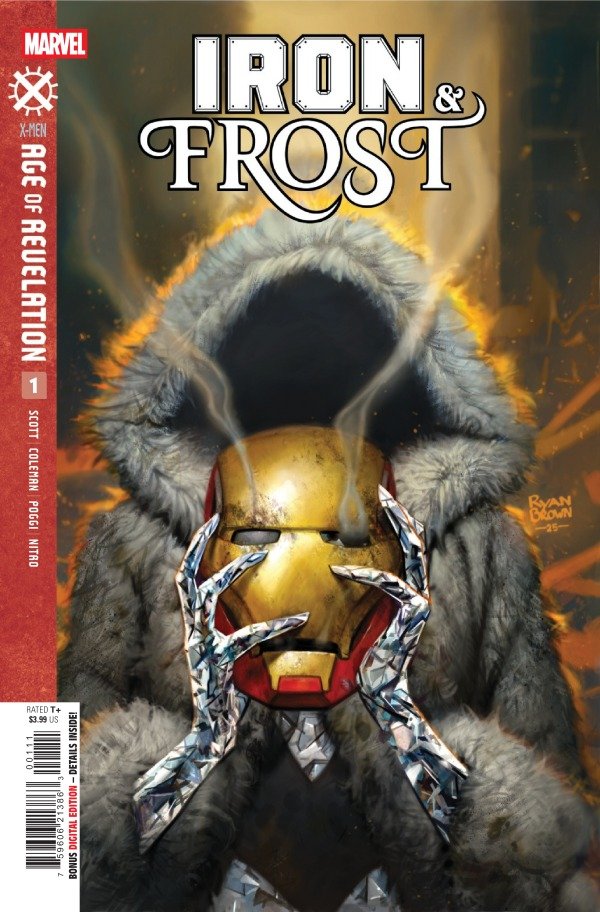
The name "Iron Man" evokes a powerful image: a being of metal, strength, and formidable presence. Yet, for all its singular resonance, 'Defining 'Iron Man': An Overview of Key Interpretations' quickly reveals that this title isn't claimed by just one legend. Instead, it’s a banner shared by two profoundly different, yet equally impactful, figures in modern storytelling. One emerged from the imaginative depths of children's literature, a poetic exploration of humanity and nature. The other burst forth from the vibrant panels of comic books, a technological titan wrestling with personal demons and global threats. Understanding "Iron Man" means appreciating these distinct identities, their unique journeys, and the powerful ideas each embodies.
At a Glance: Two Iron Men, Many Meanings
- Ted Hughes' "The Iron Man": A 1968 children's novel about a giant metal robot from space. It's a tale of redemption, friendship, and environmental harmony. Themes often explored include nature vs. technology, the human condition, and allegories for peace.
- Marvel's Iron Man (Tony Stark): A 1963 comic book superhero, a billionaire genius who builds advanced armored suits. His narrative delves into technology's impact, personal responsibility, addiction, and the complexities of heroism in a modern world.
- Shared Ground: Both figures undergo significant transformation, grapple with fear and acceptance, and represent immense power, though wielded and interpreted in vastly different ways.
- Core Distinction: One is a force of nature and wonder; the other is a testament to human ingenuity and its ethical challenges.
Two Legends, One Name: Untangling the Iron Men
Before we dive deep into the multifaceted interpretations, it’s crucial to acknowledge the distinct origins of these two iconic characters. While both share the moniker "Iron Man," they were born from different creative minds, in different eras, and for different purposes.
First, there is Ted Hughes' "The Iron Man: A Children's Story in Five Nights," published in 1968. This literary work is a cornerstone of modern children's literature, penned by a future Poet Laureate of the United Kingdom. It’s a fable, rich with allegory and poignant themes, a story of a giant metal being who falls to Earth and must find his place among humanity.
Then, there's Marvel Comics' Iron Man, the alter ego of the brilliant industrialist Tony Stark, who first appeared in Tales of Suspense #39 in March 1963. Born from the minds of Stan Lee, Larry Lieber, Don Heck, and Jack Kirby, this Iron Man is a technological marvel, a superhero rooted in the anxieties and advancements of the Cold War era, and later, a figure who came to define the modern superhero blockbuster.
Though their names are identical, their narratives, their symbolic weight, and their interpretations diverge significantly. Let's explore each in turn.
The Literary Colossus: Ted Hughes' "The Iron Man"
Ted Hughes' novel, often adapted (most notably into the beloved animated film "The Iron Giant"), introduces a colossal metal robot whose mysterious arrival sparks fear and wonder. Discovered by a young boy named Hogarth, the Iron Man's journey from potential destructive force to benevolent protector forms the heart of this timeless story. Hughes, with his background as a poet, imbued the narrative with a profound lyrical quality and layers of meaning that have resonated with generations of readers and critics.
Origin and Character Development
The story begins with the Iron Man falling from a cliff, his various metal parts scattered. He reassembles himself, a terrifying sight to the local farmers. It is Hogarth's innocent curiosity and courage that bridges the gap, teaching the Iron Man to understand and appreciate the world around him. This initial terror and subsequent acceptance are foundational to the novel's message.
The Iron Man himself is a complex entity. He is immense and powerful, capable of great destruction, yet also possesses a childlike innocence and a deep connection to the natural world. He "eats" metal, but later finds solace in the sun, suggesting a primal, almost elemental force. His transformation is not just physical but emotional, evolving from an unknown threat into an empathetic guardian.
Key Interpretations & Enduring Themes
Hughes' "The Iron Man" is a remarkably fertile ground for interpretation, touching on universal truths through its deceptively simple narrative.
1. Redemption and Transformation
At its core, the story is a powerful allegory for redemption and transformation. The Iron Man initially poses a threat, devouring farm machinery out of hunger. Through Hogarth's friendship and guidance, he learns to control his urges and redirect his immense power towards constructive ends, ultimately becoming the world's savior against the destructive Space-Bat-Angel-Dragon. This arc speaks to the potential for good within every formidable force, and how acceptance and guidance can lead to profound change.
2. Nature vs. Technology and Environmentalism
Hughes, a lover of the natural world, infused the book with a strong environmental message. The Iron Man, though made of metal, often acts as a force of nature – mysterious, powerful, and ultimately connected to the Earth. His hunger for metal can be seen as humanity's insatiable consumption, while his later role as a protector aligns with ecological responsibility. The contrast between the organic, living world and the metallic, constructed world is a recurring motif. The Space-Bat-Angel-Dragon, a cosmic embodiment of destruction, can be interpreted as the uncontrolled, dangerous aspects of technology or unchecked human ambition, threatening the very fabric of existence.
3. Friendship, Acceptance, and Community
Hogarth's unwavering belief in the Iron Man, despite initial fear, is central to the narrative. His friendship teaches the Iron Man empathy and provides a model for humanity's capacity for acceptance. The farmers, initially terrified and practical, learn to tolerate, then utilize, and finally cherish the Iron Man, illustrating the growth of community and the breaking down of prejudice against the unknown.
4. The Human Condition and Fear of the Unknown
The novel explores how humans react to the alien and the powerful. The initial reaction to the Iron Man is fear, leading to attempts to trap and destroy him. This reflects the universal human condition of fearing what we don't understand. Hughes suggests that often, the true monster is not the unknown entity itself, but our own capacity for fear and destruction.
5. Political Allegory: Cold War and the Arms Race
Published in 1968, during the height of the Cold War, many critics interpret "The Iron Man" as a powerful political allegory for the arms race and the threat of nuclear war. The Iron Man's initial destructive tendencies, and the later arrival of the planet-eating dragon, can symbolize the looming specter of global conflict and the devastating power of technology weaponized. The Iron Man's ultimate solution – turning the dragon's destructive energy into beautiful music – suggests a path towards disarmament and the transformation of war into peace and creativity.
6. Mythological and Religious Echoes
Hughes draws on deep wells of storytelling. The Iron Man's fall from the sky and reassembly echoes primal creation myths. Some see Prometheus in the Iron Man, bringing power to humanity, or references to the Tower of Babel in the attempts to communicate with and control the vast, unknown force. The idea of a savior figure who arises from unusual circumstances to protect the world carries strong mythological and even religious undertones.
"The Iron Man" remains a celebrated work in children's literature, lauded for its imaginative storytelling, vivid imagery, and its profound message of hope where even the small can make a difference. It’s a thrilling adventure that encourages readers to look beyond appearances and embrace the potential for good within all beings.
The Armored Avenger: Marvel's Iron Man (Tony Stark)
In stark contrast to Hughes' literary giant, Marvel's Iron Man is a product of scientific ambition and human flaw. Tony Stark, the brilliant billionaire industrialist, is the mind and body behind the iconic armored suit, and his journey has been one of constant evolution, both technologically and personally.
Origin and Early Development
Tony Stark first appeared in Tales of Suspense #39 in 1963. His origin story is seminal: while in Vietnam (later updated to Afghanistan for modern adaptations), demonstrating a new transistorized weapon, Stark is gravely wounded by a booby trap. Captured by communist rebels, he's forced to build weapons for them. Instead, with the help of fellow captive Ho Yinsen, he constructs a bulky, grey armored suit to save his own life and escape. This initial suit was a crude but effective survival tool, laying the groundwork for a legend.
Initially conceived by Stan Lee as a way to challenge readers' perceptions of a capitalist, defense-contracting hero during the Cold War, Iron Man was designed to be initially unlikable but ultimately compelling. The character and his suit quickly evolved, transforming from the bulky grey armor to a golden version in issue #40, and then to the sleek, iconic red-and-gold appearance in issue #48.
Evolution of the Suit & Technology
The Iron Man suit is, in many ways, an extension of Tony Stark himself: constantly innovating, pushing boundaries, and embodying cutting-edge technology. Over 85 unique armor models have been created across various Marvel continuities (e.g., Earth-616, Earth-1610, Earth-199999/MCU). Each suit is a testament to Stark's genius, incorporating advanced features like:
- Repulsor Rays: Energy blasts from the gauntlets.
- Booster Jets: Flight capabilities.
- 360-degree Vision: Advanced sensor systems and displays.
- Environmental Data Access: Real-time information on surroundings.
- Specialized Designs: From deep-sea models to the colossal Hulkbuster armor.
- Artificial Intelligence: J.A.R.V.I.S., F.R.I.D.A.Y., and others serve as co-pilots and assistants.
- Superhuman Strength and Agility: Enhanced physical capabilities.
- Cloaking Systems: Stealth technology.
The Extremis Armor, introduced in The Invincible Iron Man #1-6, even allowed Stark to control the suit with his mind, integrating the technology directly into his biology—a potent symbol of his evolving relationship with his creations.
Key Interpretations & Character Themes
Tony Stark is one of Marvel's most complex characters, a founding Avenger who constantly battles external threats and internal demons. His interpretations often revolve around the dual nature of his powers and his personality.
1. Technology as Power and Burden
The most obvious interpretation of Marvel's Iron Man centers on technology. Stark is a genius, a futurist, and his suit is the ultimate expression of human ingenuity. It grants him god-like power, allowing him to stand shoulder-to-shoulder with literal gods and gamma-powered monsters. However, this power also comes with a burden. His technology is often co-opted, misused, or creates new problems, forcing him to confront the ethical implications of his own creations. This theme is explored in "Armor Wars," where Stark hunts down those who stole and reverse-engineered his technology, highlighting the dangers of uncontrolled power.
2. Personal Demons and Redemption
Tony Stark is far from perfect. One of his most enduring and celebrated storylines, "Demon in a Bottle" (Iron Man #120-128), courageously tackled his battle with alcoholism. This storyline humanized the hero, revealing his deep-seated insecurities and proving that even a genius billionaire in an armored suit can struggle with very real, relatable personal demons. His journey is often one of seeking redemption, not just for his past as a weapons manufacturer, but for his personal failings and arrogance.
3. Heroism, Responsibility, and the Military-Industrial Complex
Initially portrayed as a hero representing American exceptionalism and the might of the military-industrial complex (Stark Industries was a weapons manufacturer), Iron Man's character evolved. After his origin, he dedicates his life (and his technology) to protecting the world, embodying the classic superhero ideal of responsibility. However, this responsibility often clashes with his ego and his belief that he knows best, leading to morally ambiguous choices, famously explored in "Civil War," where he champions superhero registration. This makes him a nuanced hero, often doing the right thing for the wrong reasons, or making mistakes with good intentions.
4. The Cost of Genius and Legacy
Stark's intellect is his greatest asset and, at times, his greatest curse. He can solve almost any technical problem, but struggles with interpersonal relationships and understanding the emotional complexities of humanity. His constant drive to innovate and protect often leaves him isolated or misunderstood. The question of his legacy—what he leaves behind, both good and bad—is a recurring theme, especially in narratives dealing with his potential successors or the impact of his technology after his time.
Cultural Juggernaut and Impact
Iron Man's cultural impact exploded with the launch of the Marvel Cinematic Universe (MCU), spearheaded by Robert Downey Jr.'s iconic portrayal. Downey Jr. brought charisma, vulnerability, and wit to the character, single-handedly influencing the superhero film genre and establishing the template for an interconnected cinematic universe. The character has appeared in countless TV shows ("Iron Man: Armored Adventures," "Marvel's Agents of S.H.I.E.L.D."), video games, and merchandise, solidifying his status as a global icon. Even the band Black Sabbath released a song titled "Iron Man" in 1970, long before the MCU.
For new readers looking to dive into the comic book legacy, "Demon in a Bottle," "Armor Wars," and "Extremis" offer excellent starting points, showcasing the depth and complexity of Tony Stark. He graduated from MIT at 17, designed over 50 Iron Man suits himself, and even had his brain stored as an AI backup after his death—a testament to his enduring impact on the Marvel universe.
Shared Threads and Stark Differences: Comparing the Iron Men
While the origins and primary mediums of these two "Iron Men" are distinct, looking at them together offers fascinating insights into the archetypal power of the "metal man" figure. They share some surprising thematic overlaps, even as their fundamental interpretations remain unique.
Unexpected Similarities
Despite one being a literary fable and the other a technological superhero, both Iron Men navigate arcs of transformation and redemption. Ted Hughes' Iron Man evolves from a feared, destructive force to a planetary protector. Tony Stark, too, transforms from a self-serving weapons manufacturer into a responsible, if flawed, hero, battling his own personal demons to protect the innocent. Both figures, in their own narratives, learn to harness immense power for good.
Both characters also deal with the fear and acceptance of others. Hughes' Iron Man is initially met with terror by the farmers, who only gradually learn to accept him. Similarly, Tony Stark, with his powerful suit and often arrogant demeanor, frequently faces skepticism, distrust, or outright fear from the public and even his allies, forcing him to prove his intentions. They represent powerful entities that humanity must learn to understand and integrate.
Finally, both touch on themes of power and responsibility, albeit through different lenses. Hughes' Iron Man wields a natural, almost elemental power that must be guided toward creation rather than destruction. Stark's power is man-made, a product of his genius, and he constantly grapples with the ethical burden of that power and his responsibility to use it wisely. Both embody immense resilience and strength, both physical and, eventually, moral.
Profound Differences
The differences, however, are where the true distinctiveness of each "Iron Man" shines through.
Nature vs. Man-made
Perhaps the most fundamental divergence is their origin. Hughes' Iron Man is a creature of mystery, seemingly born from the unknown, connected to the natural world. He is elemental. Marvel's Iron Man is unequivocally man-made, a pinnacle of human engineering, a testament to what genius and advanced technology can achieve. One is an alien wonder, the other a human innovation.
Symbolic Weight
Their symbolic representations are also vastly different. Hughes' Iron Man often symbolizes the power of nature, the unknown, hope, and renewal, or even the latent destructive potential of primal forces. Marvel's Iron Man symbolizes the power and peril of technology, human ingenuity, personal responsibility, and the complex ethics of heroism in a modern world. He's a reflection of humanity's aspirations and anxieties regarding scientific progress.
Target Audience and Medium
Hughes' novel is a work of children's literature, crafted with poetic language and aimed at teaching universal lessons. Marvel's Iron Man originated in comic books, a medium often (though not exclusively) aimed at a broader, older audience, dealing with more nuanced adult themes and continuous serialized narratives. This difference in medium naturally shapes their storytelling and the depth of psychological exploration.
Emotional Core
The Iron Man of Hughes' story is inherently empathetic, almost innocent, and his transformation is about learning how to be good. Tony Stark, conversely, is deeply flawed, driven by ego, and his struggle is often about choosing to be good despite his personal failings and the temptations of power. His emotional core is one of learned responsibility and wrestling with his own character.
Threats They Face
Hughes' Iron Man battles a cosmic, mythical creature—the Space-Bat-Angel-Dragon—a threat of existential, almost mythological proportions. Marvel's Iron Man, while facing cosmic threats like Thanos, more often battles human villains, corporate rivals, or even himself, reflecting the more grounded (though still fantastical) complexities of the human world.
Why Does "Iron Man" Resonate So Deeply?
The enduring appeal of both the literary and the superhero "Iron Man" speaks to universal human fascinations and anxieties. The archetype of the "metal man," or the "golem," taps into deep cultural narratives about creation, power, and the line between humanity and machine.
Both figures provide a compelling narrative about immense power. Whether it's the raw, elemental force of Hughes' creation or the technological might of Stark's suit, there's an inherent human wonder at such capabilities. This power, however, is invariably linked to the question of its use. This leads directly to the core question: what defines an Iron Man beyond just metal and strength? It's about the purpose and control of that power.
They reflect societal anxieties about technology, war, and the environment. Hughes' narrative directly addresses ecological concerns and the specter of global conflict, while Stark's story grapples with the ethical dilemmas of scientific advancement, the military-industrial complex, and the potential for technology to both save and destroy us. In an increasingly mechanized and uncertain world, these narratives offer ways to process our hopes and fears.
Ultimately, both Iron Men represent a profound desire for a protector. Whether it’s a benevolent giant who resolves cosmic conflicts or a flawed genius who steps into the breach, the idea of a powerful, resilient figure standing between humanity and its greatest threats is deeply comforting. Their stories, though different, resonate because they explore what it means to be strong, to be good, and to find one's place in a complex, often dangerous world.
Navigating the Legacy: How to Engage with Both Iron Men
Given the rich, distinct interpretations, how should a curious reader or viewer approach the vast "Iron Man" multiverse? The key is to appreciate each on its own terms, recognizing their unique strengths and the specific questions they ask.
If you're drawn to poetic storytelling, allegories for peace and environmentalism, and a heartwarming tale of friendship and redemption, Ted Hughes' "The Iron Man" is an absolute must-read. Seek out the original novel or its classic adaptations like "The Iron Giant." It's a foundational text that offers rich layers of meaning for all ages.
If your interest lies in technological innovation, complex character studies, and the high-stakes world of superheroes battling both external threats and internal demons, then dive into Marvel's Iron Man.
For comic book enthusiasts, start with the recommended storylines:
- "Demon in a Bottle": A poignant exploration of Tony Stark's battle with alcoholism.
- "Armor Wars": A high-octane thriller about the theft of Stark's technology and his relentless pursuit to reclaim it.
- "Extremis": A modern classic that redefines Iron Man's powers and his connection to the suit, showcasing a fresh take on his origin.
For those introduced through the Marvel Cinematic Universe, revisit the films, particularly Iron Man (2008), The Avengers (2012), Captain America: Civil War (2016), and Avengers: Endgame (2019), to witness Robert Downey Jr.'s transformative performance and the character's profound arc.
The beauty of these two Iron Men is that they don't diminish each other. Instead, they enrich the collective understanding of what an "Iron Man" can be—a symbol of enduring power, complex morality, and the ceaseless quest for meaning and purpose in a world full of both wonder and peril.
Beyond the Armor: The Enduring Impact
The story of "Iron Man" – whether the benevolent giant of Ted Hughes' imagination or the armored industrialist of Marvel Comics – is a testament to the enduring power of narrative. These figures, forged in metal and myth, continue to shape our conversations about heroism, technology, the environment, and the very essence of what it means to be human (or to embody humanity's potential).
They remind us that true strength is not merely in physical might or advanced weaponry, but in the capacity for transformation, empathy, and the willingness to confront one's own nature or creations. As technology continues to evolve at an unprecedented pace, and as environmental and social challenges loom large, the interpretations of both Iron Men remain incredibly relevant. They stand as powerful metaphors for our collective journey, prompting us to ask critical questions about how we wield our power, how we overcome our fears, and what kind of legacy we wish to forge for the future.