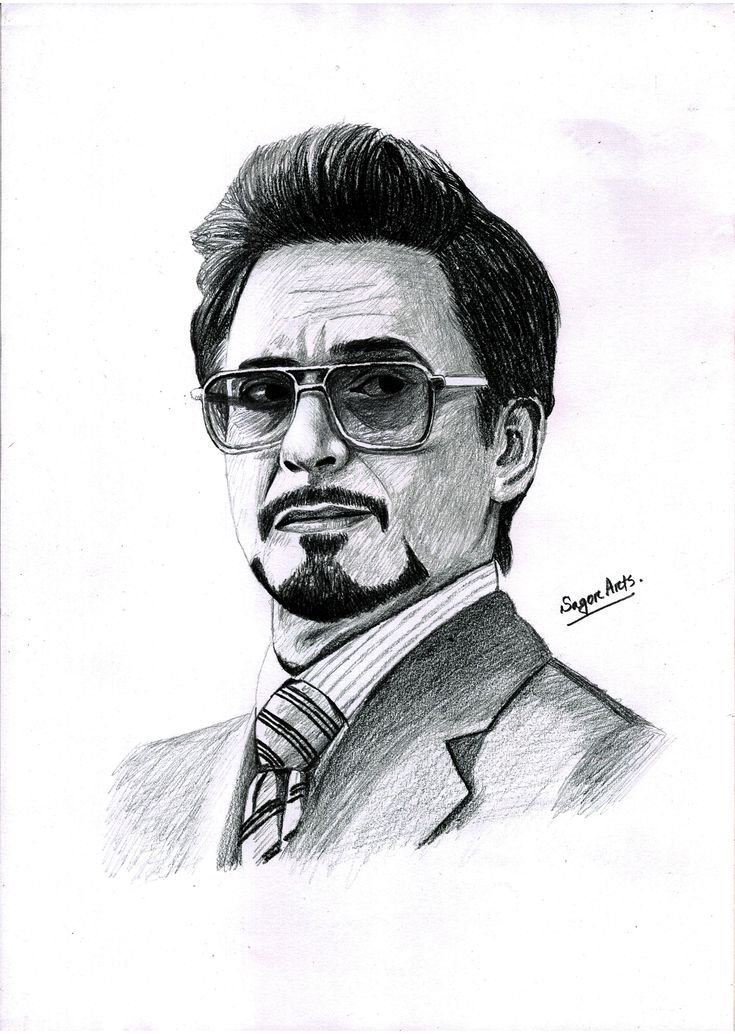
Marvel's Iron Man: Tony Stark's Journey From Industrialist to Hero
Tony Stark. Just hearing the name conjures images of gleaming red and gold armor, quick wit, and a mind that seems to operate light-years ahead of everyone else. But beneath the bravado, the billions, and the sophisticated technology, lies Marvel's Iron Man: The Character of Tony Stark—a complex, ever-evolving figure who redefined what it means to be a hero in the modern age.
From his initial introduction in the heart of the Cold War to his iconic, sacrificial end in the Marvel Cinematic Universe, Stark's journey is a compelling exploration of genius, hubris, redemption, and the immense responsibility that comes with wielding unimaginable power. This isn't just a story about a man in a metal suit; it's a profound narrative about confronting your demons, both internal and external, and striving for a better future, often at great personal cost.
At a Glance: Decoding Tony Stark
- Origin: A wealthy, arrogant weapons manufacturer held captive, forced to confront the destructive power of his own creations.
- Transformation: Builds his first armored suit not for profit, but for survival and escape, sparking a commitment to using his tech for good.
- Core Traits: Genius-level intellect, prodigious inventor, sharp wit, deep-seated insecurities, and an evolving sense of altruism.
- Iconic Symbol: The Iron Man armor, an extension of his will, constantly innovated and adapted to face new threats.
- Key Relationships: Complex dynamics with fellow Avengers like Captain America (ideological clashes) and Pepper Potts (a grounding force).
- Ethical Battles: Grapples with the responsibility of his technology, facing dilemmas in storylines like "Armor Wars" and "Civil War."
- MCU Legacy: Robert Downey Jr.'s portrayal cemented Stark's place as a cultural icon, culminating in his ultimate sacrifice for the universe.
- Overarching Theme: A journey from self-interest and irresponsibility to self-awareness and selfless heroism, grappling with the consequences of power.
The Spark of Invention: From Privilege to Purpose
To understand the character of Tony Stark, we must first look at where he began. Anthony Edward "Tony" Stark was born into immense wealth and privilege, inheriting Stark Industries, a sprawling conglomerate built on the foundation of advanced weaponry. He was a prodigy, a technological wunderkind who graduated from MIT at a tender age, a brilliant inventor whose mind was always buzzing with the next big idea. But for much of his early life, this genius was largely directed towards personal gain and the arms trade, fueled by an undeniable arrogance and a playboy lifestyle that defined his public image.
His world, and indeed his very identity, was shattered in Tales of Suspense #39 in 1963. During a weapons demonstration in Vietnam (later retconned to Afghanistan in the modern era to reflect contemporary geopolitical landscapes), Stark was critically injured by a booby trap, leaving shrapnel dangerously close to his heart. Captured by a warlord named Wong-Chu, he was forced to build weapons for his captor. Instead, with the help of fellow captive Ho Yinsen, Stark secretly constructed a crude, bulky gray suit of powered armor. This wasn't a weapon of mass destruction; it was a means of survival, an escape vehicle, and a defibrillator rolled into one. It saved his life and allowed him to break free.
This harrowing experience was the crucible that forged Iron Man. Confronting the destructive power of his own creations firsthand, and nearly losing his life to them, fundamentally altered Tony Stark's perspective. He resolved to use his technological prowess not for war, but to combat threats, beginning his transformation from a detached industrialist to a reluctant, yet undeniably powerful, hero. This initial understanding of the Iron Man explained perfectly sets the stage for the complexity that would follow.
Beyond the Armor: The Man Behind the Mask
Tony Stark is arguably as complex, if not more so, than the technology he wields. His personality is a vibrant tapestry woven with threads of brilliance, humor, insecurity, and profound ethical struggles.
The Genius, the Ego, and the Burden
At his core, Tony Stark is an unparalleled genius. He can conceptualize, design, and build technologies that defy conventional understanding, often on the fly. This inventive spark is his greatest asset, allowing him to adapt to virtually any threat, from alien invasions to sentient AI. However, this immense intellect often comes hand-in-hand with an equally immense ego. Stark often believes he knows best, sometimes to a fault, leading to clashes with allies and decisions that have far-reaching consequences.
This genius is also a profound burden. Tony feels a deep, often self-imposed, responsibility for the world's safety, believing that only his unique capabilities can address certain threats. This drives him to constantly innovate, but also to overreach, creating technologies that sometimes escape his control or are misused by others. It's a heavy crown to wear, and the weight of it frequently leads to self-doubt, anxiety, and a constant need to prove himself, not just to the world, but to himself.
Vices, Virtues, and the Road to Redemption
Tony Stark's early character was defined by his playboy antics and a casual disregard for consequences. He was quick with a quip, charming, and rarely without a drink in hand. A significant storyline in his comic book history, the "Demon in a Bottle" arc, bravely confronted his battle with alcoholism. This wasn't just a plot device; it was a deep dive into the character's vulnerabilities, showcasing how even the most brilliant and powerful individuals can struggle with personal demons. This arc underscored themes of redemption, personal growth, and the sheer grit required to overcome one's own destructive tendencies.
Through these struggles, Stark gradually evolved. While the wit and confidence remained, they were tempered by a growing introspection and altruism. He learned, often painfully, that his actions had real-world impacts, and that true heroism wasn't about the flash, but about making difficult choices for the greater good. His journey became less about showcasing his brilliance and more about applying it responsibly.
The Evolving Suit: An Extension of Self
Iron Man's armor is not merely a costume; it's central to Tony Stark's identity, an external manifestation of his internal state and technological prowess. From its humble, bulky gray beginnings, the suit has undergone countless iterations, each reflecting advancements in Stark's genius and the escalating threats he faces.
Form and Function: Iconic Iterations
The evolution of the armor is a character arc in itself. Initially, it was a practical tool for escape and self-preservation. Over time, it became a versatile platform for advanced weaponry, propulsion (allowing for flight), and specialized functions.
- The Mark I to Modern Suits: The initial clunky design quickly gave way to the sleeker, more iconic red and gold aesthetic. Each successive model, or "Mark," introduced new capabilities – repulsor rays, unibeam, sonic disruptors, and complex AI integration (like JARVIS or FRIDAY).
- Specialized Armors: Tony's ingenuity led to suits designed for specific scenarios. The Hulkbuster armor, for instance, is a massive, heavily armored suit specifically engineered for confrontations with the rampaging Hulk, demonstrating Stark's foresight and contingency planning.
- The Extremis Armor: A groundbreaking development that integrated the armor directly with Stark's biological systems. This allowed him to summon the armor mentally and store it within his body, blurring the lines between man and machine and offering a glimpse into a transhuman future. It symbolized his desire for ultimate control and integration with his technology.
The armor is both his shield and his weapon, his greatest invention and sometimes, his greatest enabler of hubris. It provides power, but also isolates him, creating a metaphorical wall between him and the world.
A Hero Among Heroes: Leading The Avengers
As a founding member of the Avengers, Tony Stark's contributions to the team are immeasurable. His financial backing provides the necessary resources, his technological genius supplies the advanced weaponry and defenses, and his leadership, though often unconventional and prickly, is vital in coordinating diverse personalities and powers.
Complex Relationships and Ideological Divides
Stark's interactions with his fellow Avengers are a cornerstone of his character development. He frequently finds himself at odds with Captain America, whose traditionalist, unwavering moral compass often clashes with Stark's more pragmatic, sometimes authoritarian, approach. Their dynamic—a blend of camaraderie forged in battle and deep-seated ideological differences—is a recurring theme that explores the tension between freedom and security, individual liberty and collective responsibility.
He shares a unique rapport with Thor, often treating the Asgardian god with a mix of awe and playful irreverence. With Bruce Banner, he finds a kindred scientific spirit, their combined intellect often leading to breakthroughs (and sometimes, new problems). These relationships humanize Stark, showing his capacity for loyalty, friendship, and vulnerability despite his often-impenetrable persona.
The Weight of Innovation: Ethical Dilemmas and Consequences
Tony Stark's journey is punctuated by profound ethical dilemmas regarding the very technology he creates. He constantly grapples with the dual nature of innovation—its potential for immense good and its capacity for catastrophic harm.
The "Armor Wars": Policing His Own Creations
In the seminal "Armor Wars" storyline, Stark discovers that his proprietary Iron Man technology has been stolen and is being used by villains and governments around the world. Driven by a deep sense of responsibility, he embarks on a relentless mission to neutralize every instance of his stolen tech, even if it means clashing with former allies and international law. This arc highlights his commitment to preventing the misuse of his inventions, even if it positions him as a technological vigilante. It's a stark reminder that creation always carries the burden of its potential applications.
"Civil War": Freedom Versus Security
Perhaps Stark's most polarizing moment came during the "Civil War" narrative. Following a devastating incident caused by reckless super-powered individuals, Stark becomes a staunch advocate for the Superhero Registration Act, believing that accountability and government oversight are necessary to prevent further tragedies. This stance pits him directly against Captain America, who champions individual liberties and secret identities.
This conflict reveals a darker, more authoritarian side to Stark, driven by a fear of unchecked power and a desire to impose order. While his intentions were rooted in a genuine desire for public safety, his methods—which included building a prison in the Negative Zone and using cloned Thor—were controversial and challenged the very notion of what a hero should be. The "Civil War" storyline profoundly showcased the complexities of Stark's character, illustrating his willingness to make difficult, unpopular choices in pursuit of a perceived greater good, even if it fractured the hero community.
The MCU's Definitive Portrayal: Robert Downey Jr.'s Enduring Legacy
For a generation, Robert Downey Jr.'s portrayal of Tony Stark in the Marvel Cinematic Universe is Iron Man. His pitch-perfect performance in the 2008 Iron Man film not only launched the entire MCU but also defined the character for millions, bringing his comic book complexities to vibrant, cinematic life.
Downey Jr. captured Stark's genius, wit, and vulnerability with an irresistible charisma that made audiences root for the flawed billionaire. His performance perfectly balanced the character's arrogance with a growing sense of responsibility, making his journey from a selfish industrialist to a selfless Avenger feel earned and authentic.
Stark's MCU arc culminated in one of the most iconic moments in cinematic history: his ultimate sacrifice in Avengers: Endgame (2019). Wielding the Infinity Gauntlet, he snapped away Thanos and his forces, saving the universe but succumbing to the immense power. This final act solidified his legacy as the "man who saved us all," a hero who began by selling weapons of war and ended by giving his life for peace. His narrative inspires ongoing discussions on the responsibilities of power, the pursuit of a better future, and the profound impact one individual can have on the fate of an entire reality.
The Architect of Tomorrow: What Tony Stark Teaches Us
Tony Stark's journey is a microcosm of the human experience, writ large with superpowers and advanced technology. His story, whether in comics or film, offers potent lessons that resonate far beyond the pages and screens.
- The Responsibility of Power: Stark repeatedly demonstrates that true power isn't just about what you can do, but what you choose to do. His transformation underscores the ethical imperative to wield immense capability—whether intellectual, financial, or physical—for the benefit of all, not just oneself.
- The Capacity for Growth and Change: Despite his flaws, ego, and past mistakes, Tony Stark consistently shows a capacity for introspection, learning, and profound personal growth. His battle with alcoholism, his shift from arms dealer to global protector, and his ultimate sacrifice are testaments to the human ability to evolve and redeem oneself.
- Innovation as a Double-Edged Sword: Stark's creations often solve immediate problems but sometimes create new ones. This highlights the critical need for foresight, ethical consideration, and humility in the face of groundbreaking innovation. Every new technology brings with it a responsibility to consider its potential pitfalls.
- The Importance of Self-Sacrifice: Tony Stark's final act is the ultimate expression of selflessness. It teaches us that true heroism often involves putting the needs of others—or the entire universe—before one's own, accepting the ultimate cost for the greater good.
Frequently Asked Questions About Tony Stark
What are Tony Stark's core personality traits?
Tony Stark is characterized by his prodigious intellect, quick wit, and often sarcastic humor. He possesses an undeniable arrogance and a strong ego, often masking deep-seated insecurities and a profound sense of responsibility. He is driven, innovative, charismatic, but can also be impulsive and stubborn.
How did Tony Stark become Iron Man?
Tony Stark became Iron Man after being critically wounded and captured by a warlord during a weapons demonstration. To save his life from shrapnel near his heart and escape captivity, he built a suit of powered armor. This experience changed his perspective, leading him to dedicate his technology to protecting the world.
What is the significance of Iron Man's armor?
Iron Man's armor is more than just a suit; it's an extension of Tony Stark himself. It symbolizes his genius, his drive to innovate, and his commitment to justice. The armor evolves constantly, reflecting his mental state, technological advancements, and the escalating threats he faces, becoming a physical manifestation of his internal and external struggles.
What were Tony Stark's biggest challenges?
Tony Stark faced numerous challenges, including his personal battle with alcoholism ("Demon in a Bottle"), the ethical dilemmas of his technology (e.g., "Armor Wars," where he had to stop the misuse of his designs), and ideological clashes with allies like Captain America ("Civil War"). Ultimately, his biggest challenge was overcoming his own ego and finding true selflessness.
How did Tony Stark's character evolve?
Stark evolved from a self-serving playboy and arms dealer to a more introspective, responsible, and ultimately self-sacrificing hero. His journey involved confronting the destructive potential of his creations, battling personal demons, and learning to lead and work with others, culminating in a profound understanding of his role in protecting the universe.
Beyond the Suit: Building Your Own Legacy
Tony Stark's journey reminds us that heroism isn't just about extraordinary powers; it's about making choices. It's about confronting our flaws, owning our impact, and continually striving to use our unique skills—be they creativity, intellect, or empathy—for a purpose greater than ourselves.
Perhaps you're not building a suit of armor in a cave, but you are undoubtedly navigating your own complex world, facing dilemmas, and making decisions that shape your path and impact those around you. Embrace your unique genius, learn from your mistakes, and choose to make your own corner of the universe a little bit better, one innovative idea, one selfless act, or one difficult decision at a time. That, in essence, is the enduring legacy of Tony Stark.